Technology & buying guide · 5 min read
Outdoor Speakers for the Monsoon: IP Ratings Explained
What IP54, IP56 and IP65 actually mean, how rain, dust and UV damage speakers, and how to install outdoor sound that lasts in Nepal.
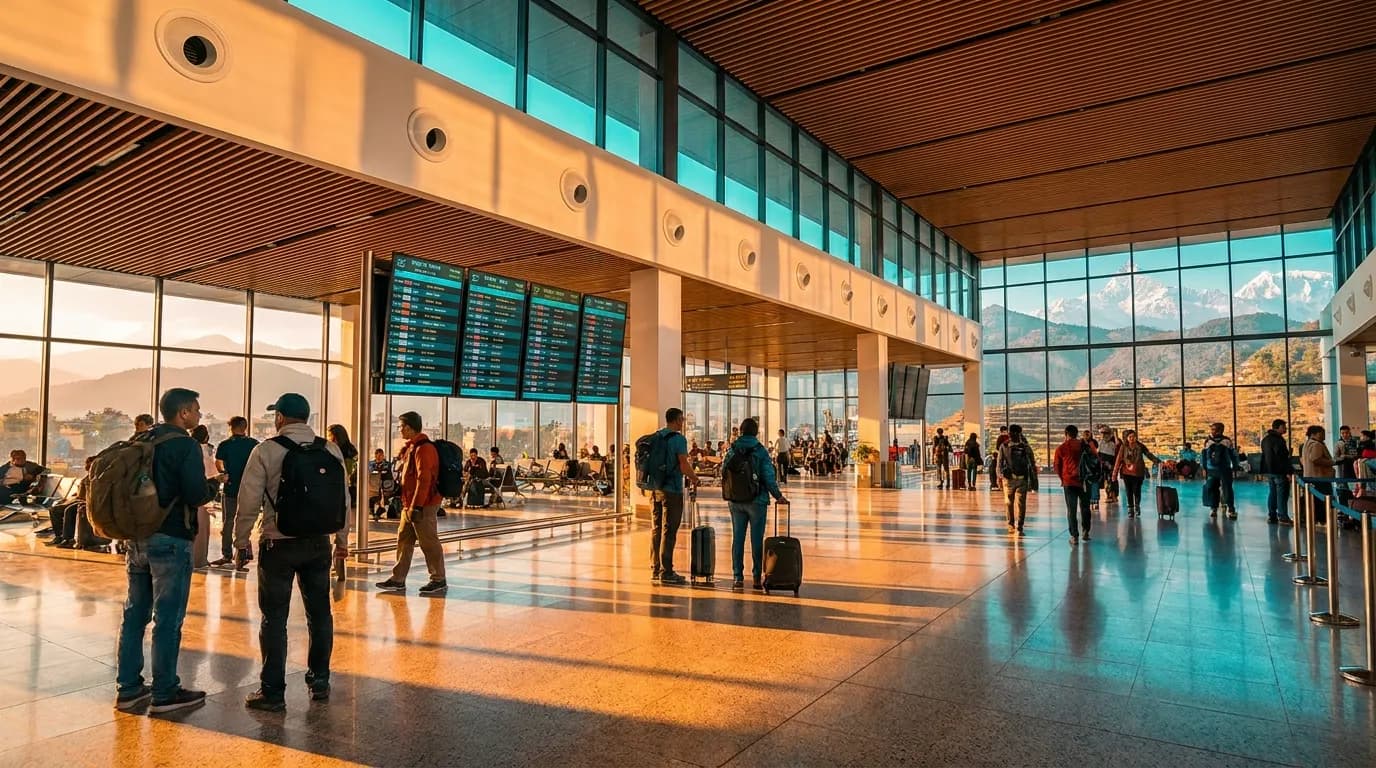
Nepal's monsoon, dust and high-altitude UV are hard on outdoor equipment. An "outdoor" label is not enough — the IP rating, mounting and cabling decide whether a speaker survives three seasons or one.
Reading an IP rating
- First digit = dust: 5 is dust-protected, 6 is dust-tight.
- Second digit = water: 4 splashing, 5 water jets, 6 powerful jets, 7 temporary immersion.
- IP56 — like the itc TS-108HT / TS-115HT — means dust-protected and resistant to powerful water jets: suitable for exposed outdoor installation.
Install for the weather
- Tilt speakers slightly downward so water runs off the grille.
- Use stainless brackets and hardware, and drip loops on every cable.
- Seal cable entries; use outdoor-rated cable and junction boxes.
- Keep amplifiers and processors indoors in a ventilated rack.
Coverage outdoors
Outdoors there are no walls to reflect sound, so plan more, smaller sources closer to listeners — horns (itc TS-3H) for long throw, full-range outdoor boxes for courtyards and grounds, with delay alignment between them.
Recommended equipment
| Role | Model | Why |
|---|---|---|
| Outdoor full-range | itc TS-108HT / TS-115HT | IP56, coaxial |
| Long-throw horn | itc TS-3H | Stadiums and grounds |
| Outdoor series | itc TP-10 / TP-12 / TP-15 | Outdoor loudspeaker range |
Frequently asked questions
Can indoor speakers be used under a roof outdoors?
Under a deep canopy sometimes, but humidity and wind-driven rain still damage them. Use rated outdoor models.
Want an engineer to check your plan?
Free site survey, system design and an itemised quotation from our engineers.